


HBS Electronics EOT Sale, Specialist Manufacturing (2023)
How RVE advised on the electronics manufacturing EOT sale of HBS Electronics completed in 2023, with the corporate finance, tax, legal and trustee work delivered as one engagement.
Deal Facts
The story of the deal
The HBS Electronics group of companies has 140 employees.
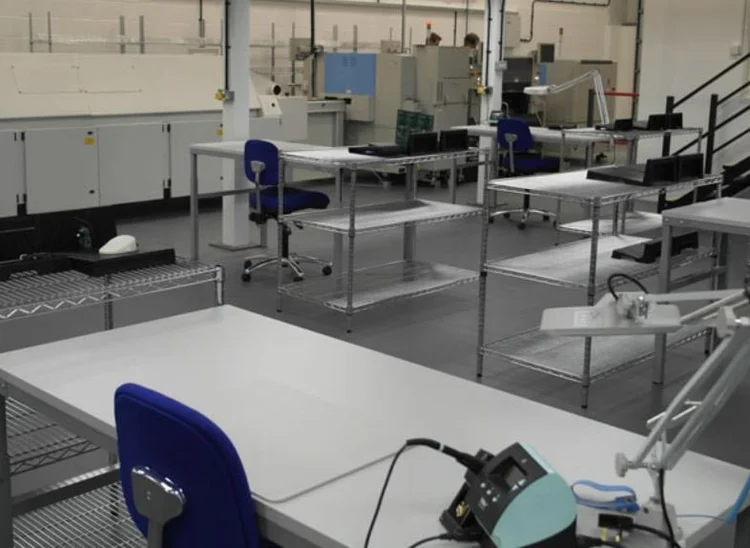
Activities include the manufacture of precision engineered components, electronics design and manufacture, plastic moulding and tooling, headset design and manufacture and the manufacture of ground support equipment, in each case primarily for the civil and military aviation sectors.
Major customers include Boeing, Airbus, BAE Systems, Honeywell International and Safran Group.
RVE advised HBS Electronics (Holdings) Limited on its sale to an EOT in May 2023.

Related case studies
Case Study - common questions.


Yes. Most founders / controlling shareholders stay on as director (and often as chair or CEO) for between 1-5 years post-completion, then transition to a part-time non-executive or consultancy role. You agree your role and time commitment with the trustee board; there is no requirement to exit operationally. Many founders find the post-EOT phase the most rewarding part of their career, with a clear financial exit having been arranged and a plan for management succession in place.
EOA research consistently shows employee-owned businesses outperform privately-held peers on productivity, profitability and employee engagement. RVE founders consistently report that their businesses perform ahead of plan post-completion, with vendor loans paid down ahead of schedule. The cultural alignment and engagement boost typically delivers measurable productivity gains within the first 12 to 24 months of EO. Growth depends on the business; the EOT structure does not constrain it.
The deferred consideration due to the vendors is repayable from future company profits, typically over a 5-8 year period. So if the business genuinely struggles, the term of the loan note may need to be extended by 2-3 years. In extreme circumstances, some of the vendor loan may need to be written off (eg if the business were to become insolvent).
The vendors do therefore retain business risk relating to the ultimate payment of the sale consideration under the EOT model.
If the business outperforms the original projections however, the vendor loan can be accelerated, and some vendors have been paid out in full within 4 years.
We are happy to talk over Teams or meet to discuss your exit planning.
We can normally assess whether an EOT transaction will be viable and the likely valuation range at our first meeting.
For accountants, lawyers, and wealth managers
Are you working with a client who should be considering a sale of their business to an EOT? We will complement the work you do to deliver an optimal outcome for your client.